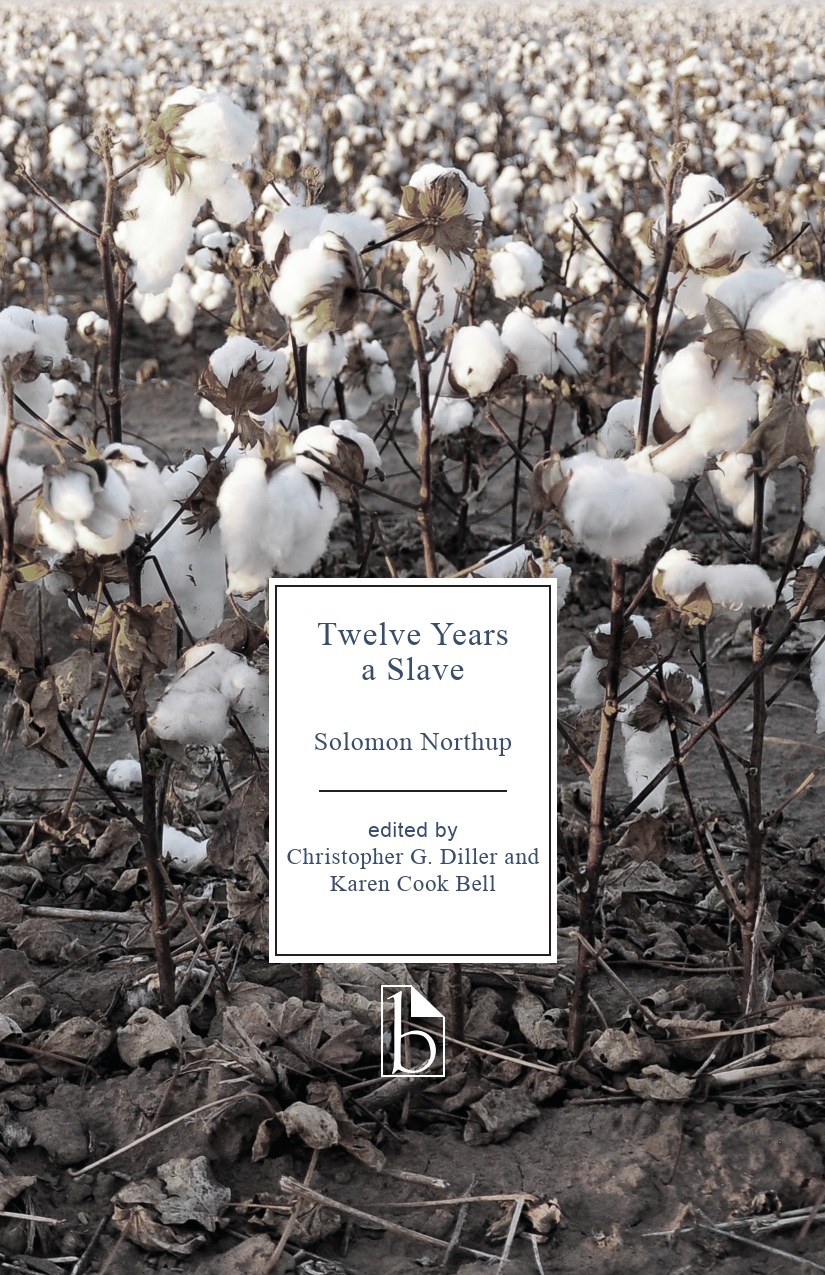
Twelve Years a Slave is one of the most important firsthand accounts of American slavery. Solomon Northup’s narrative recounts his extraordinary experience of being kidnapped from his home in New York and sold into bondage in Louisiana, offering a vivid portrait of life under slavery and of his struggle to maintain his humanity in the face of brutality.
This Broadview Edition is based on the 1853 first edition and includes the original illustrations. It situates Northup’s narrative within the literary, historical, and political world of antebellum America, exploring its authorship, reception, and relationship to the broader tradition of slave narratives. The appendices gather a wide range of primary sources that illuminate the world surrounding Northup’s narrative, including proslavery and antislavery writings from the period, fugitive slave laws and Underground Railroad materials, images, and contemporary responses to the narrative itself.
Comments
“This superb edition reveals anew why Twelve Years a Slave remains one of the most compelling works in American history and literature. Christopher G. Diller and Karen Cook Bell’s incisive introduction clarifies the memoir’s complex authorship, antislavery politics, representations of gender, and extraordinary publication history without diminishing the immediacy of Solomon Northup’s voice. Northup’s exacting witness, narrative intelligence, and moral authority remain as vital—and as unsettling—as ever.” — Richard Bell, University of Maryland, College Park
“Diller and Cook Bell have provided their audience with important contextual material in this edition of Solomon Northup’s fascinating narrative. Their introduction offers a fresh perspective on Northup’s life and the dissemination of his story. The appendices that follow the narrative will give readers a better appreciation of the intellectual debates over slavery and freedom that shaped Northup’s world.” — Warren Milteer, George Washington University
“This new edition of Solomon Northup’s Twelve Years a Slave, edited by Christopher G. Diller and Karen Cook Bell, offers readers both insight and context into this important narrative. With a detailed introduction and an appendix of relevant primary source documents, Northup’s work is analyzed as both a historical, literary, and rhetorical text that provides a window into Southern slavery, the struggle for freedom, and a pivotal era in antebellum America.” — Dexter J. Gabriel, University of Connecticut, Storrs
“The Broadview edition of Twelve Years a Slave offers a compelling introduction rooted in contemporary scholarship along with a wide-ranging set of primary sources that situate the narrative within various antebellum contexts, including the international slave trade, abolitionism, publishing, and politics.” — Bryan Sinche, University of Hartford