
Fin de siècle Literature
Showing all 21 resultsSorted by latest
-
 Coming Soon
The Blood of the Vampire
In 1897, the British public’s appetite for gothic speculative fiction showed little sign of waning, and there is perhaps no more famous example of gothic…
-
The Invisible Man
The Invisible Man stands out as possessing one of the most complicated heroes, or perhaps anti-heroes, in literature. A thoroughly unlikeable character, the Invisible Man…
-
The Sorceress of the Strand and Other Stories
In 1898, The Strand Magazine, one of the most influential publications of the Victorian fin de siècle, deemed best-selling author and editor L.T. Meade a…
-
Strange Case of Dr Jekyll and Mr Hyde – Third Edition
First published in 1886 as a “shilling shocker,” Dr Jekyll and Mr Hyde takes the basic struggle between good and evil and adds to the…
-
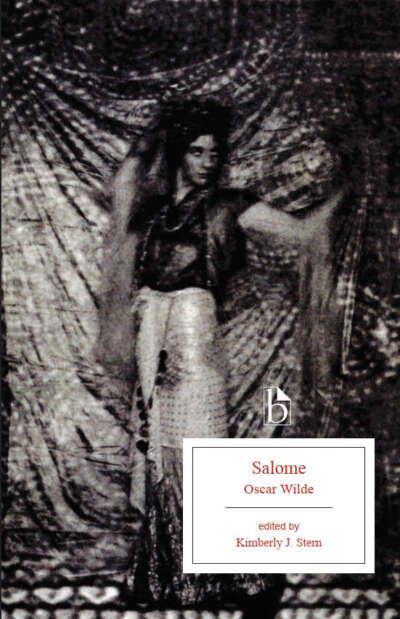
Salome
Salome is Oscar Wilde’s most experimental—and controversial—play. In its own time, the play, written in French, was described by a reviewer as “an arrangement in…
-
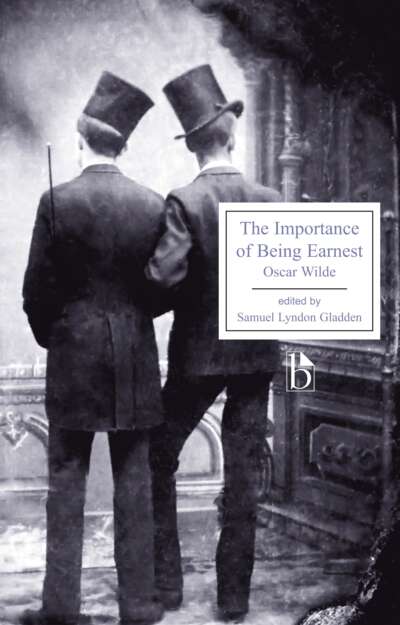
The Importance of Being Earnest
The Importance of Being Earnest marks a central moment in late-Victorian literature, not only for its wit but also for its role in the shift…
-
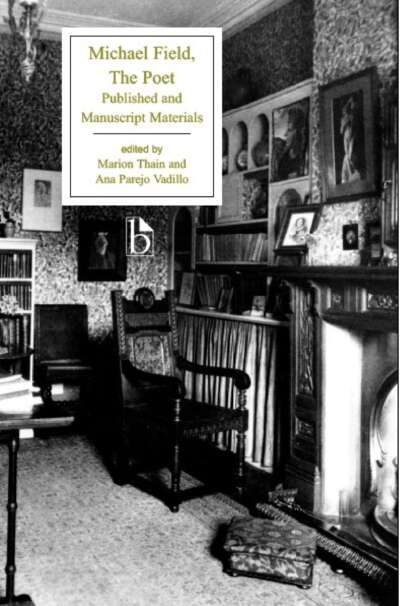
Michael Field: The Poet
“Michael Field” was the literary pseudonym of two women, Katharine Bradley (1846-1914) and her niece Edith Cooper (1862-1913). The women were poets, playwrights, diarist, and…
-
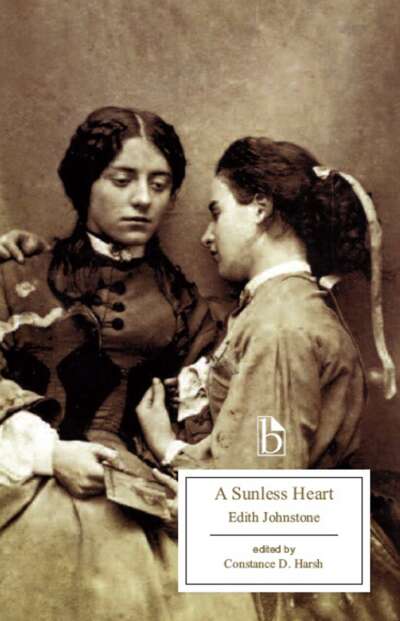
A Sunless Heart
In A Sunless Heart, Edith Johnstone establishes a feverish atmosphere for her novel’s story of emotional and physical hardship and the power of bonds between…
-
Hauntings and Other Fantastic Tales
Vernon Lee writes in the Preface to Hauntings, “My ghosts are what you call spurious ghosts... of whom I can affirm only one thing, that…
-
She
First published in 1886–87, H. Rider Haggard’s imperial romance follows its English heroes from the quiet rooms of Cambridge to the uncharted interior of Africa…
-
The Hound of the Baskervilles
The Hound of the Baskervilles (1901–02) is Arthur Conan Doyle’s most celebrated Sherlock Holmes adventure. At the end of the yew tree path of his…
-
The Woman Who Did
The controversial subject matter of Grant Allen’s novel, The Woman Who Did, made it a major bestseller in 1895. It tells the story of Herminia…
-
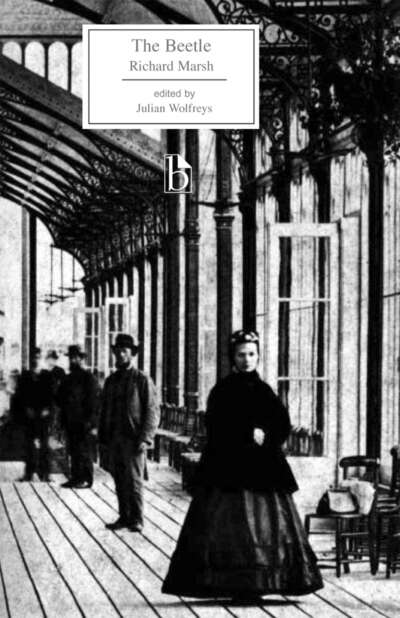
The Beetle
The Beetle (1897) tells the story of a fantastical creature, “born of neither god nor man,” with supernatural and hypnotic powers, who stalks British politician…
-
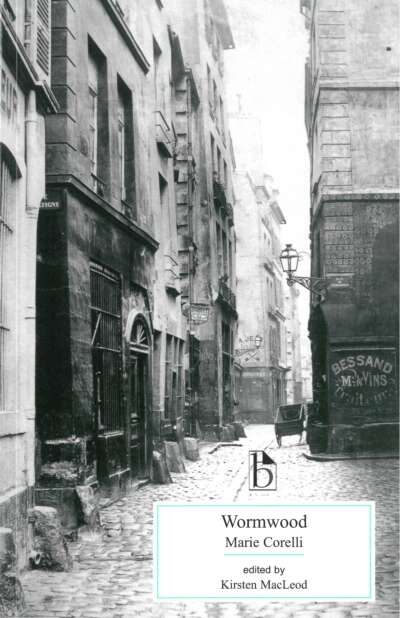
Wormwood
Though disparaged by literary critics of her day, Marie Corelli was one of the most popular novelists of the late Victorian and Edwardian periods. Wormwood…
-
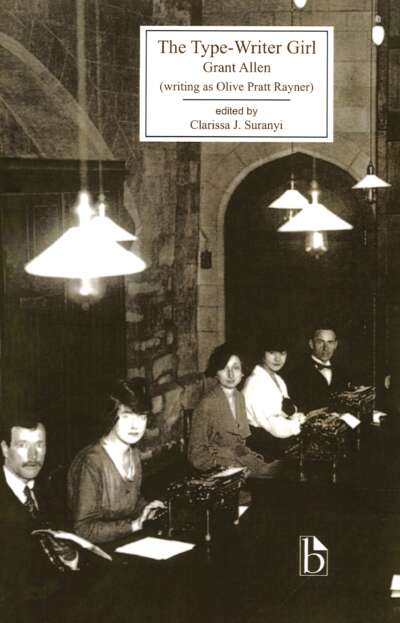
The Type-Writer Girl
Juliet Appleton is an officer’s daughter who is forced to make her own way in the world after her father’s death. Having been trained in…
-
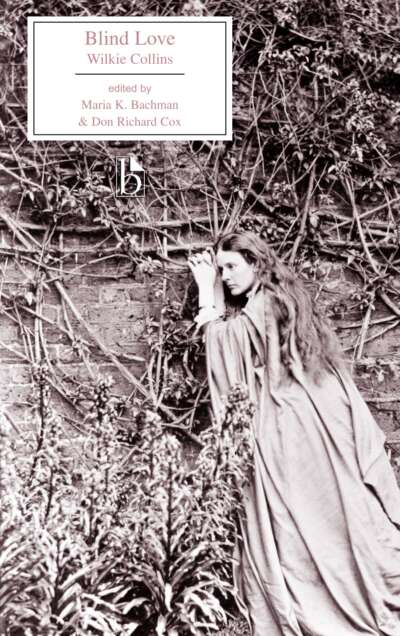
Blind Love
Blind Love is Wilkie Collins’s final novel. Although he did not live to complete the work, he left detailed plans for the last third of…
-
Trilby
Du Maurier’s Trilby was the novel sensation of the 1890s. Du Maurier had spent a good deal of his life as a child and later…
-
Lord Jim
One of Joseph Conrad’s greatest novels, Lord Jim brilliantly combines adventure and analysis. Haunted by the memory of a moment of lost nerve during a…
-
Jude the Obscure
When Thomas Hardy’s Jude the Obscure appeared in 1895, it immediately caused scandal and controversy. Its frank treatment of Jude’s sexual relationships with Arabella and…
-
The Picture of Dorian Gray
In Oscar Wilde’s famous novel, Dorian Gray is tempted by Henry Wotton to sell his soul in order to hold on to beauty and youth.…
-
The Mayor of Casterbridge
This 1886 novel may be Hardy’s most intense and gripping narrative. We first see the central character, Michael Henchard, as a drunken and unemployed hay-trusser…