
Basic Problems of Philosophy is a brisk, accessible introduction to academic philosophy focused on many of the central problems animating the field. Chapters cover a broad range of topics: reasoning, free will, God, knowledge, ethics, politics, and art. Each chapter begins with an engaging vignette highlighting the complexity and significance of the philosophical themes at issue. The ideas of historical and contemporary thinkers from Plato to Leo Tolstoy to Christine Korsgaard are examined, always with an eye toward the problems at stake and the potential solutions offered by these writers. The opening chapter examines the many branches and competing definitions of philosophy, while a concluding chapter reflects on the intellectual and practical benefits of philosophical thinking.
Basic Problems of Philosophy
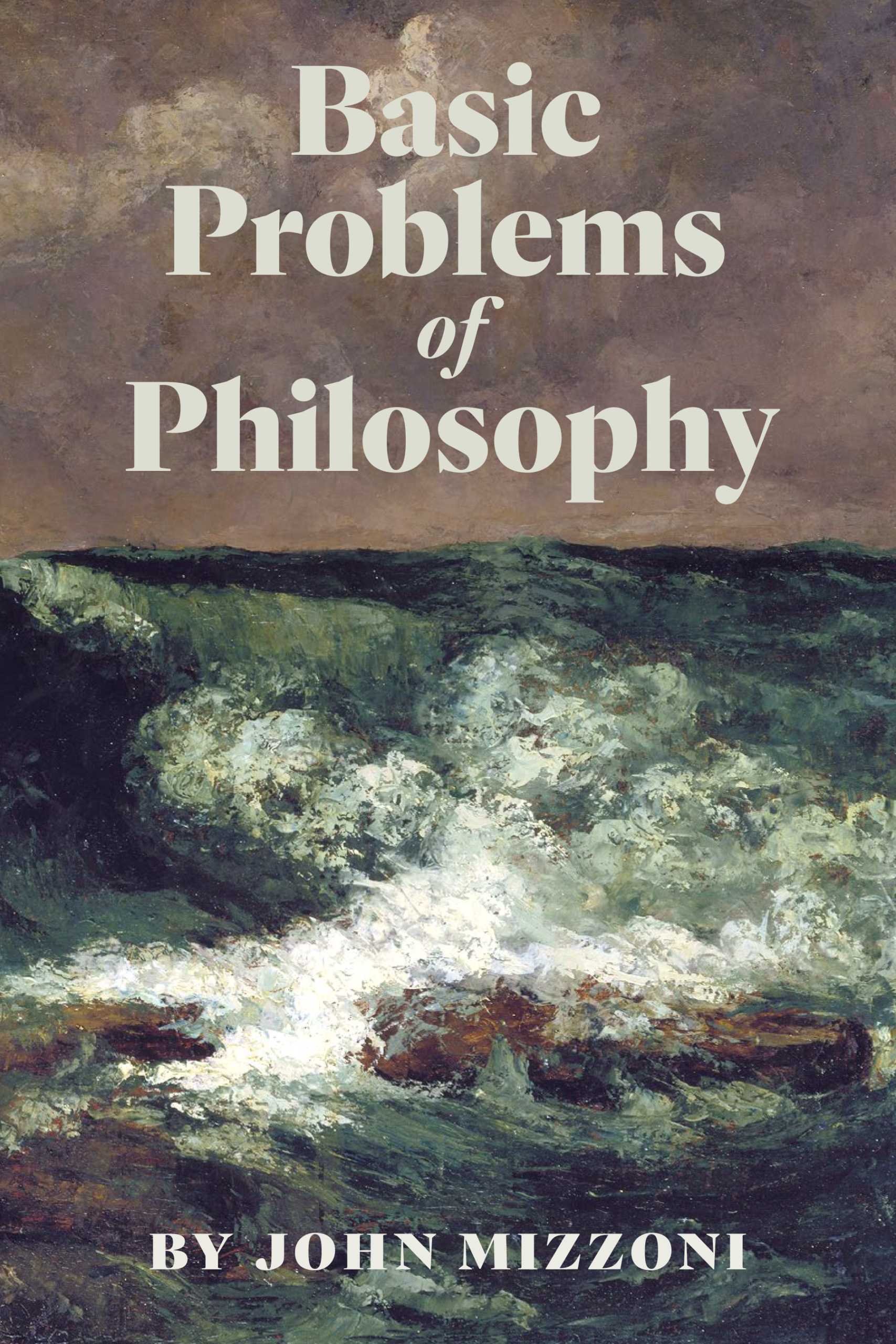
Coming Soon
Price for your region
Basic Problems of Philosophy
Chapter 1: Philosophy and Philosophizing
- 1.1 Introduction
- 1.2 Different Definitions of Philosophy
- 1.3 The Branches and Eras of Philosophy
- 1.4 Characteristics of Philosophical Questions
- 1.5 Are There (Correct) Answers to Philosophical Questions?
- 1.6 Conclusion
Chapter 2: Logic, Reasoning, and Evidence
- 2.1 Logical Arguments—Understanding Them and Evaluating Them
- 2.2 Deductive Reasoning and Argument
- 2.3 Inductive Reasoning and Argument
- 2.4 Fallacies in Reasoning
- 2.5 Critical Thinking and Philosophy
Chapter 3: Metaphysics and You, Part I
- 3.1 Questions about You
- 3.2 A Mind–Body Problem—What kind of being are you?
- 3.3 An Early Modern Solution to the Mind–Body Problem
- 3.4 Evaluation of Descartes’ Substance Dualism Solution to the Mind–Body Problem
- 3.5 A Contemporary Solution to the Mind–Body Problem—Biological Naturalism
- 3.6 Another Contemporary Solution to the Mind–Body Problem—Naturalistic Dualism
- 3.7 A Topic Related to the Mind–Body Problem: Gender
- 3.8 Conclusion
Chapter 4: Metaphysics and You, Part II
- 4.1 More Questions about You!
- 4.2 A Problem of Immortality—Can You Survive Your Bodily Death?
- 4.3 Three Different Solutions to the Problem of Immortality
- 4.4 The Problem of Free Will—Do You Have a Free Will?
- 4.5 Different Solutions
- 4.6 Conclusion
Chapter 5: God, Religion, and You
- 5.1 Questions about God
- 5.2 A Problem of the Nature of God—What is God?
- 5.3 Different Solutions
- 5.4 A Problem of God’s Existence—Does God Exist?
- 5.5 Different Solutions
- 5.6 Conclusion
Chapter 6: Knowledge and You
- 6.1 Knowledge, Epistemology, and Philosophy
- 6.2 A Problem of Knowledge—What is Knowledge?
- 6.3 A Contemporary Solution to the Problem of Knowledge—Foundationalism
- 6.4 Another Contemporary Solution to the Problem of Knowledge—Coherentism
- 6.5 A Third Contemporary Solution to the Problem of Knowledge—Skepticism
- 6.6 A Topic Related to the Problem of Knowledge: Gaslighting
- 6.7 Conclusion
Chapter 7: Ethics and You
- 7.1 Questions and Problems about Right and Wrong
- 7.2 A Problem of Ethical Conduct—How Should You Live Your Life?
- 7.3 A Utilitarian Ethics Solution (Ethics as Utility-Based)
- 7.4 A Duty Ethics Solution (Ethics as Duty-Based)
- 7.5 A Virtue Ethics Solution (Ethics as Virtue-Based)
- 7.6 Conclusion
Chapter 8: What Kind of Society Should We Have?
- 8.1 Questions and Problems in Social/Political Philosophy
- 8.2 A Problem of Good Governance—What Kind of Society and Government Should We Have?
- 8.3 A Theocratic Solution
- 8.4 A Social Conservative Solution
- 8.5 A Civil Libertarian Solution
- 8.6 A Free-Market Conservative Solution
- 8.7 A Communitarian Solution
- 8.8 A Cosmopolitan Solution
- 8.9 Conclusion
Chapter 9: Art and You
- 9.1 Questions and Problems in Aesthetics
- 9.2 A Problem of Art—What Is Art?
- 9.3 A Communication of Feelings Solution
- 9.4 A Wakeful Dreams Solution
- 9.5 A Cluster-Criteria Solution
- 9.6 Conclusion
Chapter 10: Philosophical Solutions to Philosophical Problems
- 10.1 Journey Through the Branches of Philosophy
- 10.2 Some Fruits of Philosophizing
- 10.3 About Solutions and Worldviews
- 10.4 Other Philosophical Problems
Appendix
- List of Nine Philosophical Problems and Their Solutions from the Chapters
References
- • A problem-focused introduction to the major fields of Western philosophy.
- • Broader coverage than most survey texts, with space given to topics such as logic, social/political philosophy, and aesthetics.
- • Major figures from the history of philosophy are discussed (Plato, Aristotle, Descartes, Kant, and more) as are the arguments and theories of numerous contemporary philosophers.
- • A helpful concluding chapter reviews the terrain covered, describes the benefits of philosophy, and offers suggestions for further study.
- • Each chapter ends with a glossary of concepts, a set of factual review questions, and open-ended questions for discussion.
Related products
-

Philosophical Problems
-

For the Sake of Argument
-

Great Philosophers
-
Self-Knowledge
-
Socrates’ Children
-

Nothing So Absurd
-

Happy Lives, Good Lives
-
Introducing Philosophy: Knowledge and Reality
-
Philosophical Conversations
-

Philosophical Adventures
-

Yes, But How Do You Know?
-
There Are Two Errors in the the Title of This Book, Revised and Expanded (Again)