“profoundly relevant and accessible …. An insightful, valuable resource.” — Kirkus Reviews
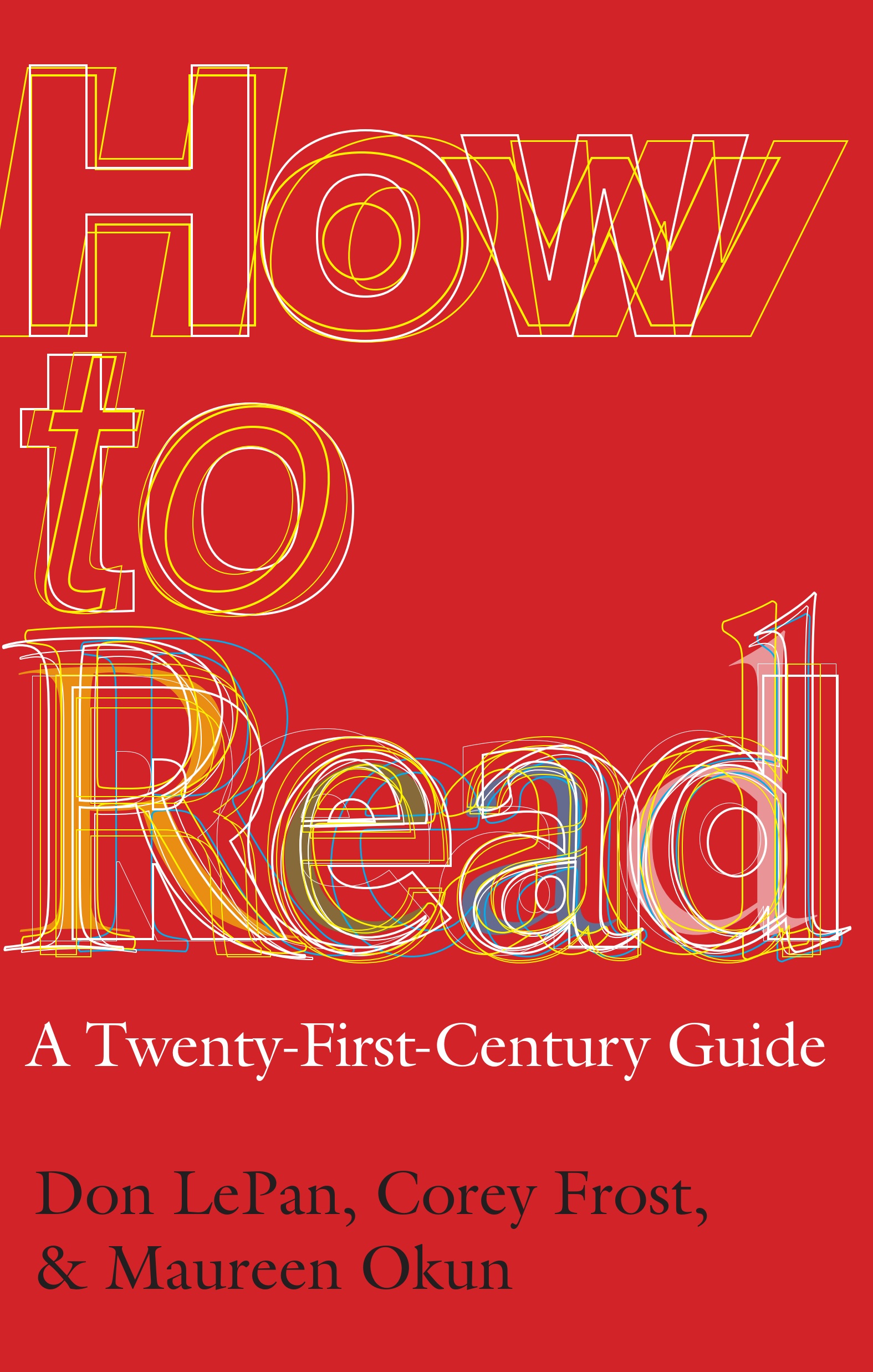
With reading having become more difficult for many than ever before, universities and colleges are focusing increasingly on the degree to which reading and writing skills are interconnected and are revising their curricula accordingly. This book aims to help.
Using examples from a wide range of academic disciplines and from literature, How to Read offers practical advice on how to pick up on cues, how to infer the meanings of words, how to cope with long sentences and archaic language, and how to read critically. The book helpfully addresses challenges arising from gaps in background knowledge, unfamiliar vocabulary, complex sentence structures, and difficulties in identifying tone or point of view. An online chapter focuses on “reading” visual material.
Throughout, How to Read prompts further thought and discussion with a wide range of questions.
Comments
“Given the contemporary crisis of reading, this will be a very valuable book across a variety of types of institutions of higher education. It is accessible and thought-provoking, and its pragmatic tips and well-integrated examples will make it immensely valuable to students and instructors alike.” — Jesse Cordes Selbin, Gettysburg College
“This is an engaging and useful guide, offering clear advice and strong examples of how to practice skills that are essential to student success in college.” — Maeve Adams, Director of Composition, Lehman College, CUNY
“How to Read provides explicit instruction on college-level reading skills and strategies, making the case for the value of reading at a moment when doing so is more essential than ever.” — Lauren Wilwerding, Boston College
“[How to Read is a] book-length guide to help post-secondary students develop the reading, comprehension, and critical thinking skills necessary …. The work begins at the most fundamental level as the authors urge readers to evaluate their ‘reading environment,’ [discussing] physical considerations, like lighting and scheduling brief interludes for stretching, in addition to … the ways in which our brains read printed material differently than text on a digital screen…[:] ‘reading printed material is associated with fuller comprehension and seems to facilitate extended concentration’.
Other chapters offer practical advice on reading antiquated language in pre-20th-century literature, navigating academic jargon and complex sentence structures, and strategically and effectively using the skills of scanning and skimming when appropriate. … Recognizing the unique demands of 21st-century learning, the authors discuss the responsible use of AI to aid in the reading of complex passages, … listening to audiobooks, and reading visual materials (this chapter is offered on a companion website linked via QR code). This [is a] profoundly relevant and accessible volume… An insightful, valuable resource for mastering texts.” — Kirkus Reviews