
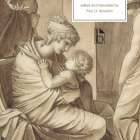
Trojan Women
Trojan Women tells the story of the survivors of the Trojan War, the women and children taken into slavery by the victorious Greek army. Through the tragedy’s central character, the matriarch Hecuba, this late play (415 BCE) demonstrates Euripides’ commitment to speaking on behalf of the less powerful and offers a scathing critique of Athenian…
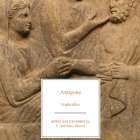
Antigone
Sophokles’ Antigone is an ancient play that speaks directly to contemporary issues. From conflicts between authoritarian regimes and those who protest them to struggles over inequality and discrimination, students and general readers will find a touchstone in this classic work. The central questions of the play continue to resonate: What is the nature of justice?…

The Broadview Anthology of Sixteenth-Century Poetry and Prose
The Broadview Anthology of Sixteenth-Century Poetry and Prose makes available not only extensive selections from the works of canonical writers, but also substantial extracts from writers who have either been neglected in earlier anthologies or only relatively recently come to the attention of twentieth- and twenty-first-century scholars and teachers. Popular fiction and prose nonfiction are…

The Broadview Anthology of Drama, Volume 1: From Antiquity Through the Eighteenth Century
The Broadview Anthology of Drama: Plays from the Western Theatre is a chronological presentation of 43 plays in two volumes, ranging from the ancient theatre world to the present day. Each chapter focuses on a specific period and begins with an insightful introduction sketching the historical and theatrical landscape of that period. Contextualization for each…
Ancient and Classical
The Odyssey: Selections (8th C BCE) HomerThe Trojan Women (4th C BCE) EuripidesAntigone (4th C BCE) SophoklesThe Apology and Related Dialogues (4th C BCE) PlatoSocratic Dialogues: Meno, Euthyphro, Apology, Crito, Phaedo (4th C BCE) PlatoPhilebus (4th C BCE) Plato ← Return to Broadview Editions page
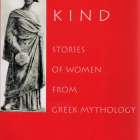
Her Kind
Medea betrayed her father and left her homeland for the love of Jason. Then when he abandoned her, she murdered her children. But did she? And what of Clytemnestra, the conniving adulteress? For ten years she plotted the murder of her husband Agamemnon, King of Mycenae and Conqueror of Troy. How would she have told…
World
The Odyssey: Selections (8th C BCE) Homer The Trojan Women (4th C BCE) Euripides Antigone (4th C BCE) Sophokles The Apology and Related Dialogues (4th C BCE) Plato Socratic Dialogues: Meno, Euthyphro, Apology, Crito, Phaedo (4th C BCE) Plato Philebus(4th C BCE) Plato The History of the Kings of Britain (12th C) Geoffrey of Monmouth The Lais…